
"Brazil coffee grade"
4000 article(s) found

Taste characteristics and Flavor description of Coffee Bean varieties in Santos, Brazil
Origin: Brazilian grade: good granule: relatively full acidity: slight acid uniformity: stable roasting: low to deep flavor: neutral beans, low acid, smooth and round Brazil grows Arabica and Robusta coffee, but mainly Arabica coffee, mostly dried. There are about 3.97 billion coffee trees in Brazil, and the number of people engaged in coffee production is elder brother
Coffee beans from Brazil, the world's largest coffee producer and exporter, known as the "coffee continent".
Brazil can be regarded as the world's largest coffee producer and exporter of the coffee continent. As about ten states in the vast territory adopt mass production, in order to make up for the regional gap and quality gap, Brazil sets its own grading benchmark in order to stabilize the quality. The quality of the coffee produced is very good, and it has been regarded as an indispensable coffee bean for mixing since ancient times.

Brazilian coffee roasting suggests the flavor trend of Brazilian coffee beans with different roasting degrees.
Professional barista communication please follow the coffee workshop (Wechat official account cafe_style) flavor reference: berries, orange fruit, lemon grass, sugarcane sweet, cocoa, nuts, clean and sweet. Country: Brazil Brazil Origin: southern Minas (Minas Gerais) Manor: forest Manor Grade: N0.2 special grade Raw Bean handling: pulped natural
Introduction of coffee beans and some boutique coffee in the main producing areas of coffee beans in the world (1)
Introduction of coffee beans and some boutique coffee in the main coffee producing areas of the world: South America

What does coffee bean grade G1 G2 G3 G4 AA PB SHB stand for? Grade of coffee beans in various countries
What exactly do the grades of coffee beans G1, G2, G3, G4, AA, PB and SHB represent? The name of a coffee may contain messages such as country, producing area, variety, treatment, cup quality, bean order, bean shape or color, defect, raw bean density, etc. To really understand the naming of coffee, we must first understand the classification and classification of coffee. Classification and classification of coffee
Coffee beans are also divided into "aristocratic and poor classes".
Coffee quality Evaluation Coffee producing countries have their own grading methods and quality evaluation standards in order to grade their harvested coffee, of course, there are also famous coffee mochas. Like Yemen in Matali, there are no countries with uniform export specifications and no coffee culture of the same style. If there are common evaluation criteria for coffee producers all over the world, it will be convenient for buyers.
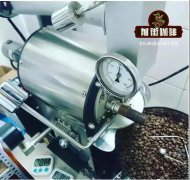
The characteristics of Brazilian coffee beans, how to bake Brazilian coffee beans? Brazilian coffee bean baking curve
Professional coffee knowledge exchange more coffee bean information please follow the coffee workshop (Wechat official account cafe_style) Brazil has always been the country with the largest production of coffee beans, with a total annual output of about 2.7 million metric tons, accounting for 1/3 of the world's total coffee bean production (you can see that we drink a lot of coffee in a year) Brazil's coffee beans are concentrated in the central and southern parts of the country, and the planting areas are common.

Characteristics of Brazilian coffee beans Brazilian coffee bean grading Queen's Manor Bourbon Coffee Flavor
Characteristics of Brazilian coffee beans in 1727, the wife of the Governor of Guyana and Brazilian Army officer Pacita fell in love with each other and gave coffee saplings richly. Coffee saplings were taken to Para province in northwestern Brazil for planting, which started the Brazilian coffee industry. Brazilian coffee bean varieties: bourbon, bourbon variety Kaddura, bourbon Tibica hybrid New World, Kaduai. (other: yellow bourbon, Ika
How to distinguish the advantages and disadvantages of Brazilian coffee beans Brazilian coffee grading system
There are many large farms in Brazil, which run endless coffee plantations. They use machines to harvest and dry them. They are so efficient in automation that they regard coffee as a general agricultural material and completely abandon the flavor and flavor. As a result, many select coffee companies simply do not sell Brazilian beans so as not to demean themselves. In select coffee shops, Santos in Brazil still appears occasionally.

Grading, price, raw beans and baking curve of Brazilian coffee
For the exchange of professional baristas, please follow the coffee workshop (Wechat official account cafe_style) Brazilian coffee individual bean classification, price, raw beans and baking curve traditional wind selection props coffee advanced countries Brazil has not yet exported to Japan there are many kinds of coffee. Due to the domestic road traffic conditions, land transport is difficult, although it can produce fine coffee but can not circulate < CHAPADA DE M

Brazilian Coffee Brand Manor Mamba: Gao King Manor, Brazil + Lindong Manning in Sumatra
For the exchange of professional baristas, please follow the coffee workshop (Wechat official account cafe_style) manor-grade mamba, which is the advanced version of the mamba. This batch of high-view manors in Brazil and Lindong Mantenin in Sumatra or the high-altitude Mantenin around Sidi Carran (Sidikalan) to make this exquisite [manor-grade mamba], you can decide the degree of roasting according to your taste. Gao Jing

Introduction to the taste grinding scale of variety treatment method in the growing environment of coffee manor in Brazil
Brazilian Coffee Manor planting Environment Variety treatment method Taste Grinding scale introduces the present situation of coffee thanks to natural benefits, and has now been cultivated in new places inland. Panama became famous as a new coffee producing place in Brazil after the war, and because its natural conditions are not superior to those produced in Sao Paulo, it is still inferior in quality. Now in the northern state of Sao Paulo, Liebe

High-quality Indonesian coffee raw bean classification standard brand altitude planting environment origin
Boutique coffee beans 1. Generally speaking, coffee is not classified according to altitude in countries near the equator because coffee is grown at a higher altitude. In addition, if it is picked by hand and processed by washing, it will not be graded by bad points because there are few immature beans and sundries mixed in. Therefore, the size of the sieve number is generally used as the grading standard. Such as: Colombia, Tanzania

Suggestions on tanning and brewing of all-red fruits in Louise Manor, Brazil _ introduction of coffee varieties in Louise Manor, Brazil
Professional coffee knowledge exchange more information about coffee beans Please follow the coffee workshop (Wechat official account cafe_style) speaking of Brazilian coffee, you may hear a lot of voices. Many people think that Brazilian coffee is of mediocre quality and can only be used as part of mixed beans. Some people think that Brazilian coffee has moderate acidity and is very suitable for public taste. Friends who have done research on Brazilian coffee can also visit

Brazil is the world's largest coffee producer with a long history of coffee production.
Brazil (Brazil) aroma 3 minutes brightness 3.5 minutes mellow flavor 4 minutes aftertaste 4 points suitable for baking: City/Full city/Espresso used as Espressode beans should not be baked too deep, because the producing area is low altitude, the bean density is low, the pot under deep baking produces coke bitterness, it is best to start the pot before the second explosion. As for high-grade Brazilian beans, they can have a wider range of baking patterns.

Coffee beans are also divided into "aristocratic and poor classes". Evaluation of the quality of coffee
Coffee quality Evaluation Coffee producing countries have their own grading methods and quality evaluation standards in order to grade their harvested coffee, of course, there are also famous coffee mochas. Like Yemen in Matali, there are no countries with uniform export specifications and no coffee culture of the same style. If there are common evaluation criteria for coffee producers all over the world, it will be convenient for buyers.

Overall flavor of Brazilian Santos coffee beans
Professional coffee knowledge exchange more coffee bean information please follow the coffee workshop (Wechat official account cafe_style) Brazil Santos (Brazil Santos Coffee) [quality rating]: No.2 [roasting] recommended roasting degree moderate to deep roasting (Medium Roast to City Roast) [grade] good [granule] ★★★ is fuller, 18-19 mesh [acidity] ★★

What is the difference between Yunnan coffee and Brazilian coffee? Analysis on the initial processing stage of Coffee in Yunnan
Professional coffee knowledge exchange more coffee bean information please follow the coffee workshop (Wechat official account cafe_style) this article from the coffee primary processing process of fresh fruit picking, fresh fruit grading, peeling, degumming, drying, cleaning points

Description of Brazilian Coffee Flavor Variety introduction of Regional treatment method for manor production
Brazilian coffee flavor description taste manor regional treatment variety introduction this largest coffee producer, various grades and types of coffee accounts for 1/3 of the global consumption, and occupies a place in the global coffee market. Although Brazil faces several times higher natural disasters than other regions, it has enough acreage to make up for it. Brazilian coffee fruit Brazilian coffee

Introduction to the Historical varieties of Brazilian Coffee beans the graded flavor and taste characteristics of Brazilian water-washed coffee beans
Follow the caf é (Wechat official account vdailycom) found that Fairview Cafe opened a small shop of its own Brazilian coffee varieties: Arabica and Robusta are produced, of which Arabica accounts for 70% to 80%. Compared with Sikong coffee, Arabica coffee varieties are Modo Novo, Catuai, Bourbon, Maragoripe and so on. The coffee harvest can be reached three times a year.